


For the Fourth of July this year, while many others were busy at their grills, or swimming, or inflating or deflating their plastic boats and paddle boards, I was immersed in my thoughts about the Declaration of Independence and the Constitution of the United States of America.

I was glad to see so many good American citizens celebrating Independence Day in the traditional ways - with barbecues, flags, and fireworks - even though Alexis de Tocqueville famously and perceptively expressed his irritation with some aspects of American pride and patriotism in his masterpiece Democracy in America:
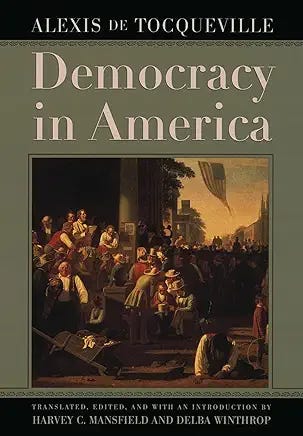
All free nations are vainglorious, but national pride is not displayed by all in the same manner. The Americans in their intercourse with strangers appear impatient of the smallest censure and insatiable of praise. The most slender eulogium is acceptable to them; the most exalted seldom contents them; they unceasingly harass you to extort praise, and if you resist their entreaties they fall to praising themselves. It would seem as if, doubting their own merit, they wished to have it constantly exhibited before their eyes. Their vanity is not only greedy, but restless and jealous; it will grant nothing, whilst it demands everything, but is ready to beg and to quarrel at the same time. If I say to an American that the country he lives in is a fine one, "Ay," he replies, "there is not its fellow in the world." If I applaud the freedom which its inhabitants enjoy, he answers, "Freedom is a fine thing, but few nations are worthy to enjoy it." If I remark the purity of morals which distinguishes the United States, "I can imagine," says he, "that a stranger, who has been struck by the corruption of all other nations, is astonished at the difference." At length I leave him to the contemplation of himself; but he returns to the charge, and does not desist till he has got me to repeat all I had just been saying. It is impossible to conceive a more troublesome or more garrulous patriotism; it wearies even those who are disposed to respect it.

On the 250th anniversary of the Declaration of Independence, I don’t mind further irritating and annoying French aristocrats or anyone else by reminding everyone that the United States of America is the greatest nation on earth, and that the Declaration of Independence and the U.S. Constitution are among the most inspired and sublime documents ever written.
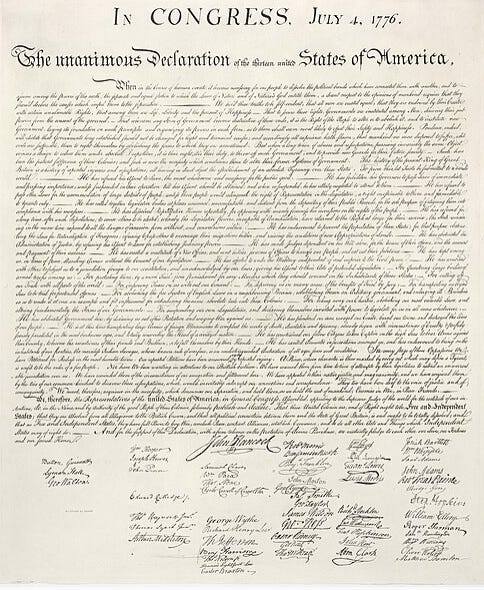
A couple of days earlier I was delighted to discover the Colonial Heritage Festival in Orem, Utah where my father discoursed about overcoming obstacles to the Declaration of Independence, and where I found a magnified version of my namesake’s magnificent signature.
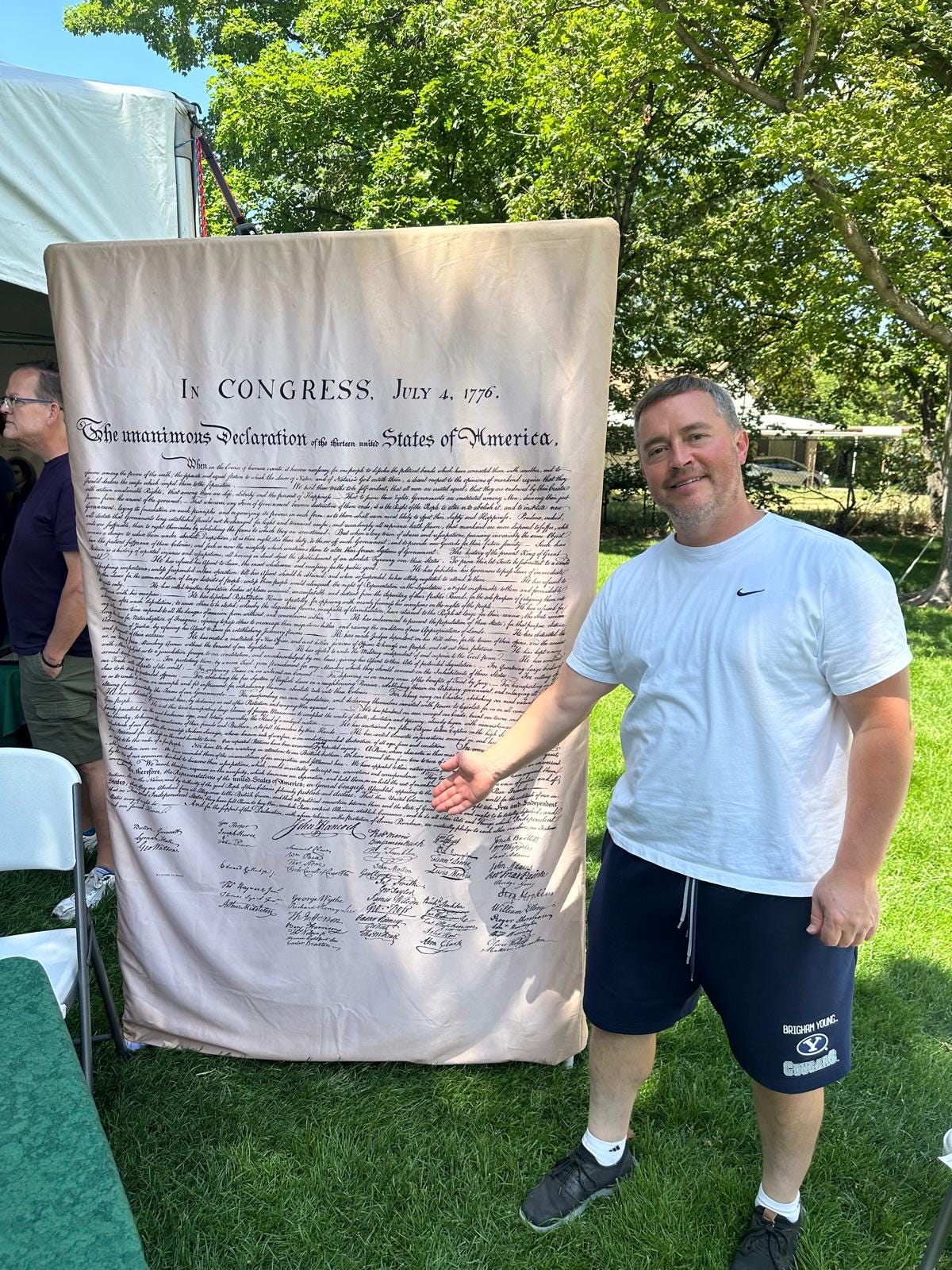
After my father’s excellent speech (see also here), an elderly woman dressed in colonial garb took the grassy stage beneath the Liberty Tree and began to recite the first paragraphs of the Declaration of Independence from memory. I listened with rapt attention, and I was electrified to the core. The familiar words of the Declaration penetrated like⚡️ lightning into my ❤️ heart, re-igniting and further kindling the fire of the love of liberty and gratitude for the great men and women who devoted their whole souls to the cause of American Independence:
When in the Course of human events, it becomes necessary for one people to dissolve the political bands which have connected them with another, and to assume among the powers of the earth, the separate and equal station to which the Laws of Nature and of Nature's God entitle them, a decent respect to the opinions of mankind requires that they should declare the causes which impel them to the separation.
The Declaration of Independence is beautiful and true, an enduring monument of the virtue and justice of the principles of the American Revolution and the American Founding. The United States Constitution is beautiful and true, a heavenly banner and a beacon of liberty for all people.
I was encouraged to see so many enthusiastic and patriotic Americans, especially children and youth, who participated in the festivities. I was further encouraged on the evening of Independence Day when a group of several young men sang a beautiful rendition of “The Star Spangled Banner” before the fireworks began. It is wonderful to know that American citizens still love America (in spite of our lackluster performance in our World Cup soccer match against Belgium) and that we still love liberty.
I am aware, however, that I am not alone in my concern that the liberty under the laws of nature and of nature’s God that the Declaration of Independence and the United States Constitution champion and protect has been, and is currently being threatened in ways that America’s founding generation could have hardly imagined. Not everyone loves liberty (and American liberty in particular) as we should, and after two and a half centuries of the greatest experiment in free and republican government in the greatest nation on earth, some understandably wonder if the necessary conditions for our liberty have eroded completely.
In preparation for this 250th Independence Day, together with my friends in the Provo Great Books Club (see also here), I studied a large portion of the Federalist Papers and the Anti-Federalist Papers.
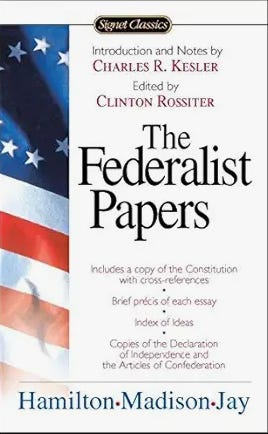
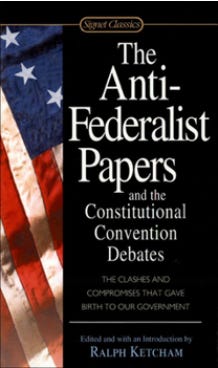
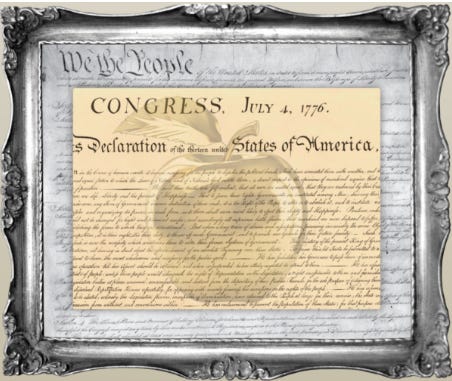
It had been about a decade since I first studied the Federalist Papers in some depth, and I was thrilled to read Publius’ great words again in preparation for reading the Declaration of Independence and the United States Constitution. The Federalist Papers and the Anti-Federalist Papers help to further illuminate these two luminous documents, the “apple of gold” (the Declaration) within a “picture of silver” (the Constitution), as Abraham Lincoln famously described them.
Although great authors like Publius (John Jay, Alexander Hamilton, and James Madison) and Alexis de Tocqueville anticipated and sometimes predicted various forms of tyranny and totalitarianism that might threaten the liberty of American citizens in the future, and although their wisdom and predictions were often all too accurate, we now confront more dangerous and deceptive enemies to liberty than ever before.
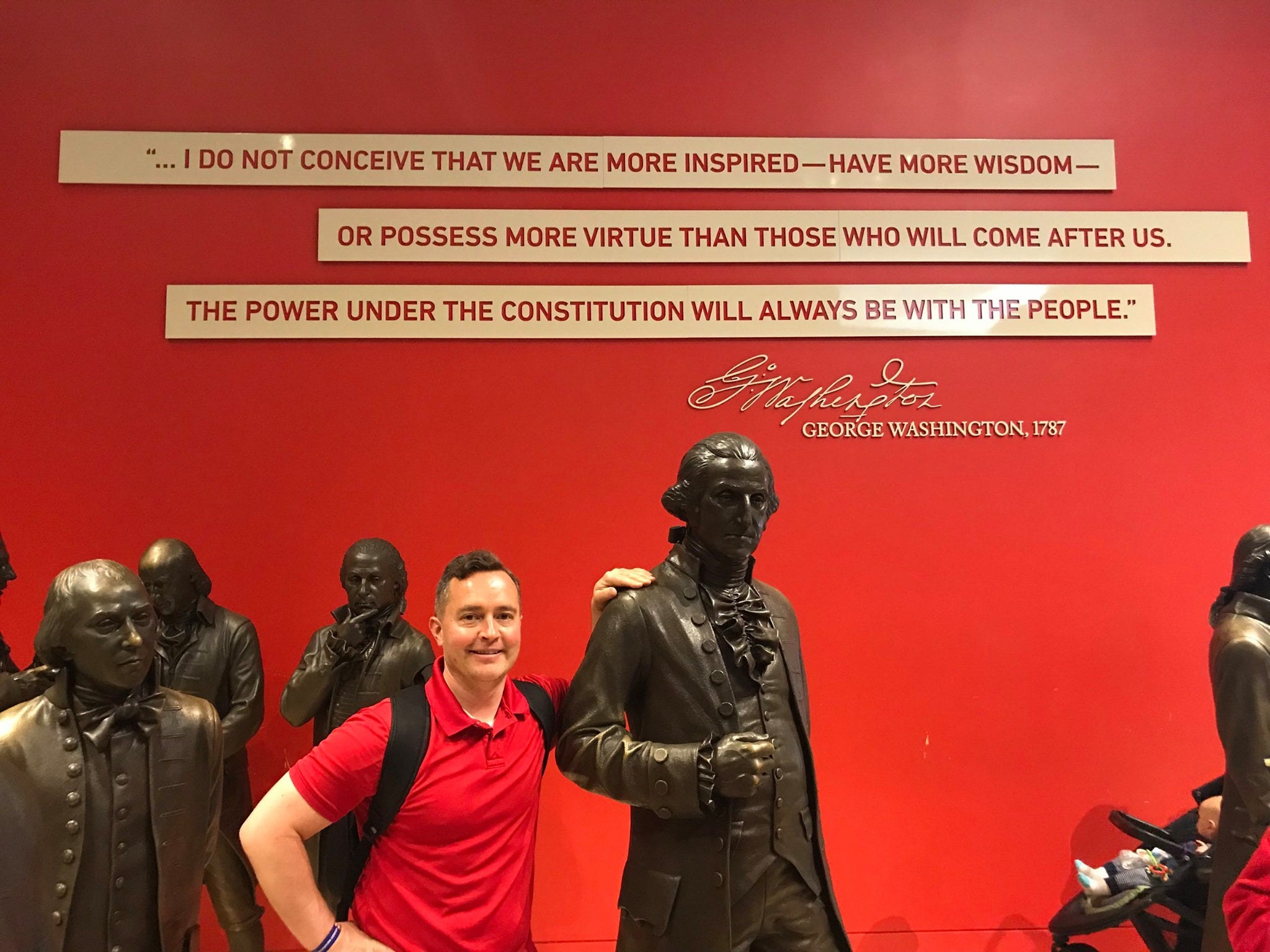
If we dare to hope for another 250 years of American liberty, we must summon all the wisdom of the Founders, and much more. Can we do better than the father of our country, George Washington, when he knelt at Valley Forge to to implore the assistance of Almighty God at that crucial moment in the Revolution?
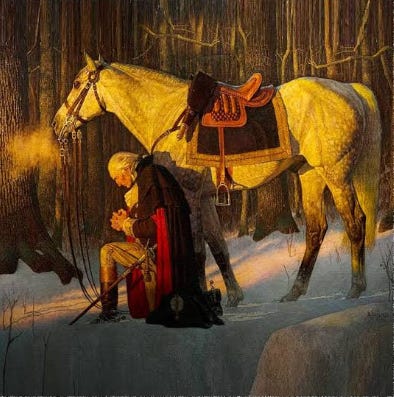
Can we hope for peace, harmony, unity, prosperity, and liberty in 21st century America without relying on that same Deity who is invoked four separate times (twice at the beginning and twice at the end) in the Declaration of Independence: Nature’s God, the Creator, the Judge of the World, and divine Providence?
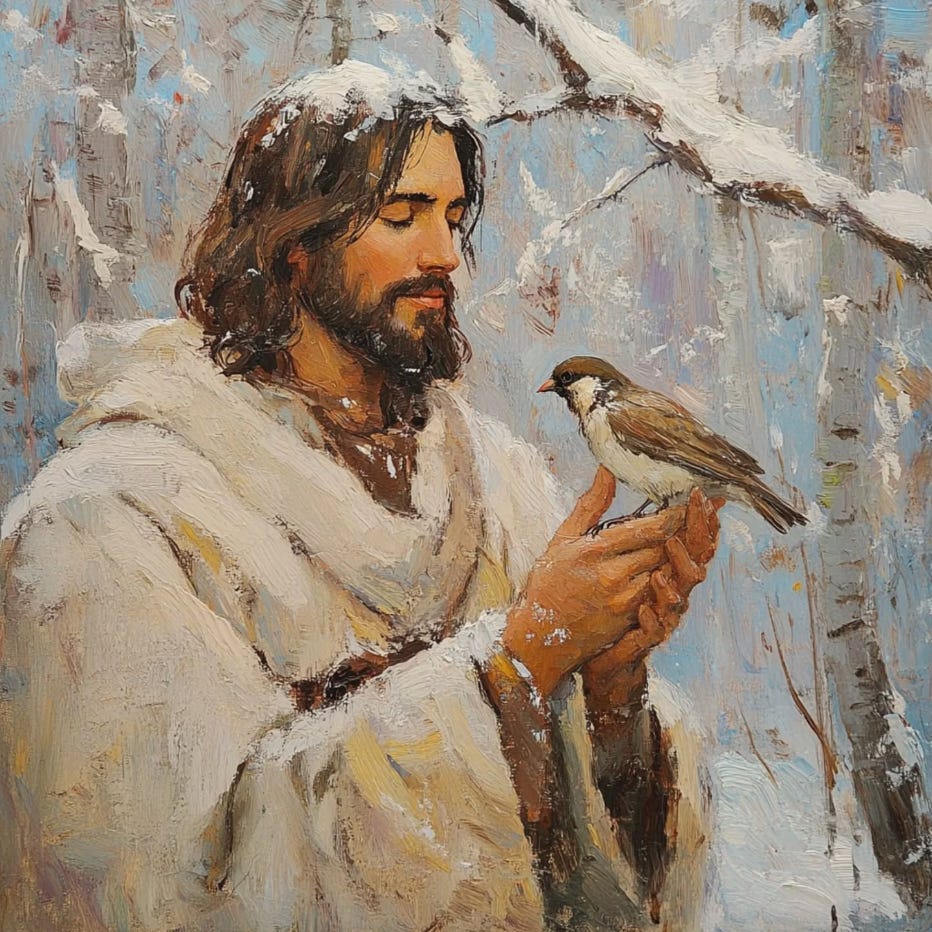
Recently, during my morning walk, I noticed a dead sparrow on the side of the road. I was immediately reminded of Benjamin Franklin’s famous declaration during the Constitutional Convention regarding the insufficiency of human wisdom, and their desperate need for Divine wisdom:
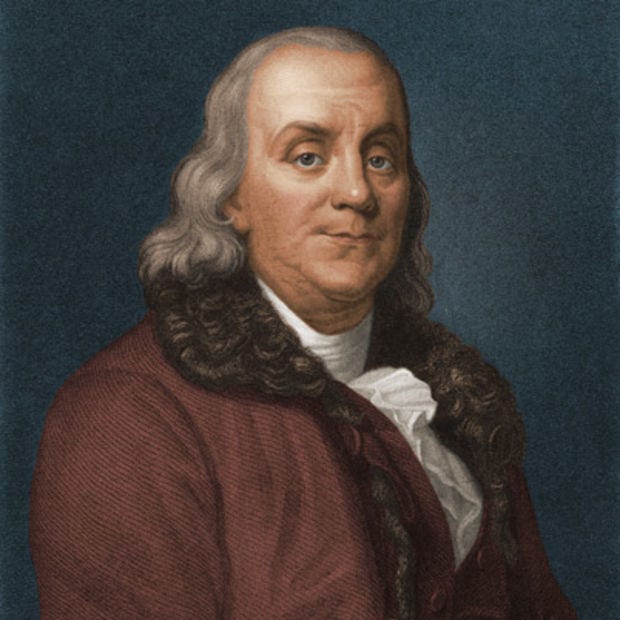
In this situation of this Assembly, groping as it were in the dark to find political truth, and scarce able to distinguish it when presented to us, how has it happened, Sir, that we have not hitherto once thought of humbly applying to the Father of lights to illuminate our understandings? In the beginning of the Contest with G. Britain, when we were sensible of danger we had daily prayer in this room for the divine protection. ”Our prayers, Sir, were heard, and they were graciously answered. All of us who were engaged in the struggle must have observed frequent instances of a Superintending providence in our favor. To that kind providence we owe this happy opportunity of consulting in peace on the means of establishing our future national felicity. And have we now forgotten that powerful friend?
I have lived, Sir, a long time, and the longer I live, the more convincing proofs I see of this truth- that God governs in the affairs of men. And if a sparrow cannot fall to the ground without his notice, is it probable that an empire can rise without his aid? We have been assured, Sir, in the sacred writings, that “except the Lord build the House they labour in vain that build it.” I firmly believe this; and I also believe that without his concurring aid we shall succeed in this political building no better than the Builders of Babel: We shall be divided by our little partial local interests; our projects will be confounded, and we ourselves shall become a reproach and byword down to future ages. And what is worse, mankind may hereafter from this unfortunate instance, despair of establishing Governments be Human Wisdom and leave it to chance, war and conquest.
I therefore beg leave to move, that henceforth prayers imploring the assistance of Heaven, and its blessings on our deliberations, be held in this Assembly every morning before we proceed to business, and that one or more of the Clergy of the City be requested to officiate in that service.
Have we also forgotten our powerful Friend? Have we forgotten that God governs in the affairs of men? Is it probable that the United States of America could have risen without the aid of this Superintending providence? Is it probable that the United States of America will survive and endure without His aid? What would be the result today if We the People and our Representatives embraced Benjamin Franklin’s wise petition and implemented his earnest invitation?
I have articulated some reasons for hope and optimism about America’s future, but true hope and optimism must be founded upon the truth, that is, upon an accurate understanding of things as they really are.
In my estimation, our situation in America is dire, but with Divine assistance, it is not beyond repair. I agree with my friend Carl Scott at Dissident Conservative that there was a malaise in the Spirit of 2026 for America’s muted birthday. Nevertheless, if we collectively repent, humble ourselves before God, and implore the assistance of Heaven like Franklin and his fellows, then we may once again grasp political truth and become the enlightened and virtuous people that John Adams understood was necessary for the success of the American republic:
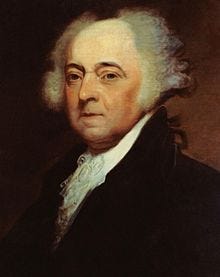
We have no Government armed with Power capable of contending with human Passions unbridled by morality and Religion. Avarice, Ambition. Revenge or Galantry, would break the strongest Cords of our Constitution as a Whale goes through a Net. Our Constitution was made only for a moral and religious People. It is wholly inadequate to the government of any other
Sadly, the nature of liberty is such that until it is threatened, hindered, or removed, we, the beneficiaries of this blessing, are often prone to take it for granted. Frederick Douglass was right:
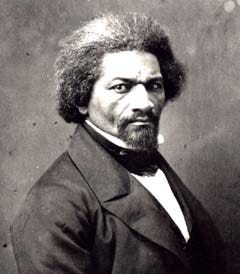
The whole history of the progress of human liberty shows that all concessions yet made to her august claims have been born of earnest struggle. The conflict has been exciting, agitating, all-absorbing, and for the time being, putting all other tumults to silence. It must do this or it does nothing. If there is no struggle there is no progress. Those who profess to favor freedom and yet deprecate agitation are men who want crops without plowing up the ground; they want rain without thunder and lightning. They want the ocean without the awful roar of its many waters.
This struggle may be a moral one, or it may be a physical one, and it may be both moral and physical, but it must be a struggle. Power concedes nothing without a demand. It never did and it never will. Find out just what any people will quietly submit to and you have found out the exact measure of injustice and wrong which will be imposed upon them, and these will continue till they are resisted with either words or blows, or with both. The limits of tyrants are prescribed by the endurance of those whom they oppress.
This principle of liberty that Frederick Douglass articulated regarding the struggle against slavery pertains to the struggle of the American colonists against the tyranny of Great Britain, and it pertains to our struggle today. The American colonists quietly submitted to a long train of abuses and usurpations, and endured injustice and tyranny until, in the course of human events, it became necessary for them to dissolve the political bands which connected them to England. There is a new long train of abuses and usurpations, injustices, and tyranny against which we now struggle.
In my opinion, and in light of our current circumstances, the time is ripe for us to reconsider this principle of liberty, together with the principles of the Declaration of Independence and the United States Constitution.
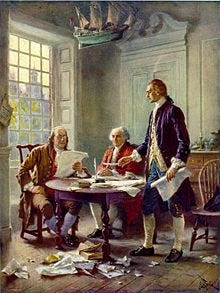
If we still hold these truths to be self-evident - that all men are created equal, and that they are endowed by their Creator with certain unalienable Rights, including Life, Liberty and the pursuit of Happiness - and if we still treasure the gift of liberty, then we must continue the struggle to secure these rights through good government.
The Declaration of Independence articulates the principles that good government champions and protects, and it even provides for a right of revolution. Good governments are instituted among men to secure our God-given rights as outlined in the Declaration of Independence, but whenever any form of government becomes destructive to these ends, it is our right, and our duty, to alter or abolish it.
Although the form and the foundations of the United States of America are good and solid, the corruption that has infiltrated our government and spread throughout the nation has become destructive to the ends for which it was first established. In the spirit of the Declaration of Independence and the United States Constitution, therefore, we the people must expose and eliminate this corruption and re-establish the foundations of our government on such principles and re-organize its powers in such a form as to us shall seem most likely to effect our safety and happiness.
It is time to right ourselves and to throw off corrupt government, not for light and transient causes, but because of the real evils, abuses, and usurpations that evince a design to reduce us under absolute despotism. We need new guards for our future security, based upon the original guards that the Founders established. We have patiently suffered long enough.
Nevertheless, a decent respect to the opinions of mankind requires that we declare the causes and prove, by submitting facts to a candid world, why such a revolution is necessary. These causes and facts must be the subject of future posts, and thus I will conclude with the conclusion of the original Declaration of Independence:
We, therefore, the Representatives of the united States of America, in General Congress, Assembled, appealing to the Supreme Judge of the world for the rectitude of our intentions, do, in the Name, and by Authority of the good People of these Colonies, solemnly publish and declare, That these United Colonies are, and of Right ought to be Free and Independent States; that they are Absolved from all Allegiance to the British Crown, and that all political connection between them and the State of Great Britain, is and ought to be totally dissolved; and that as Free and Independent States, they have full Power to levy War, conclude Peace, contract Alliances, establish Commerce, and to do all other Acts and Things which Independent States may of right do. And for the support of this Declaration, with a firm reliance on the protection of divine Providence, we mutually pledge to each other our Lives, our Fortunes and our sacred Honor.
John Hancock